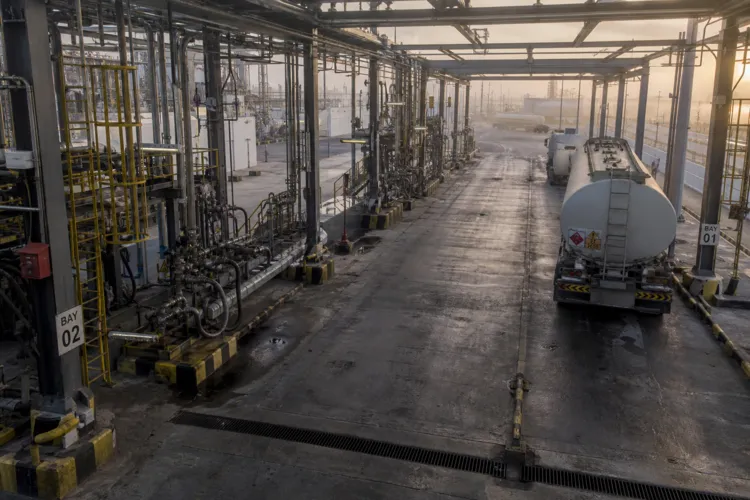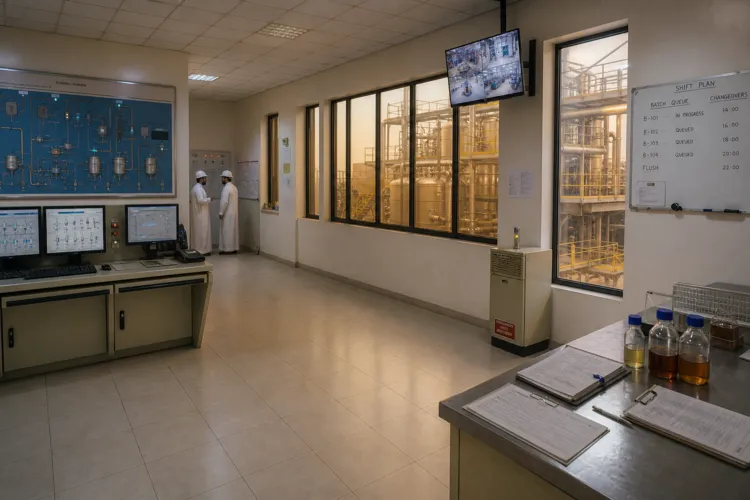

When Gulf-linked base-oil supply fails, engine-oil brands face a problem that is bigger than procurement. They still need to meet API Engine Oil Licensing and Certification System requirements while sourcing alternatives. In 2026, the American Petroleum Institute (API) said the ongoing conflict in the Middle East disrupted supply from multiple base-oil refineries in the region and created “severe global base oil supply shortages.” Those conditions triggered the emergency pathway inside API 1509, which is normally reserved for significant, industry-wide disruptions and is described as relief that will rarely be granted.
API first activated Emergency Provisional Licensing (EPL) in March after determining that Middle East-related base-oil supply conditions met the force majeure threshold under API 1509 Section 6.9, following a request from the Independent Lubricant Manufacturers Association. The provisional license can be valid for up to 90 days from the date an EPL Agreement is signed, with the possibility of extension if supply conditions remain unresolved. In 2026, API extended the emergency mechanism again for another 90 days effective October 1, showing that the program first activated in March remained in place more than six months later.
What API 1509 Emergency Flexibility Does—and Does Not—Allow
Base oil interchangeability under API 1509 is not a blank check. API’s October 1 notice emphasized that EPL does not give marketers blanket authority to substitute any base oil or component that happens to be available. A licensee applying for EPL must provide technical information supporting, to API’s satisfaction, the use of substitute base oils or other components that have become unavailable because of force majeure declarations. The licensee must also complete an EPL Agreement and submit it to API, and may cite and attach the API letter as evidence describing the events creating the need for emergency licensing.
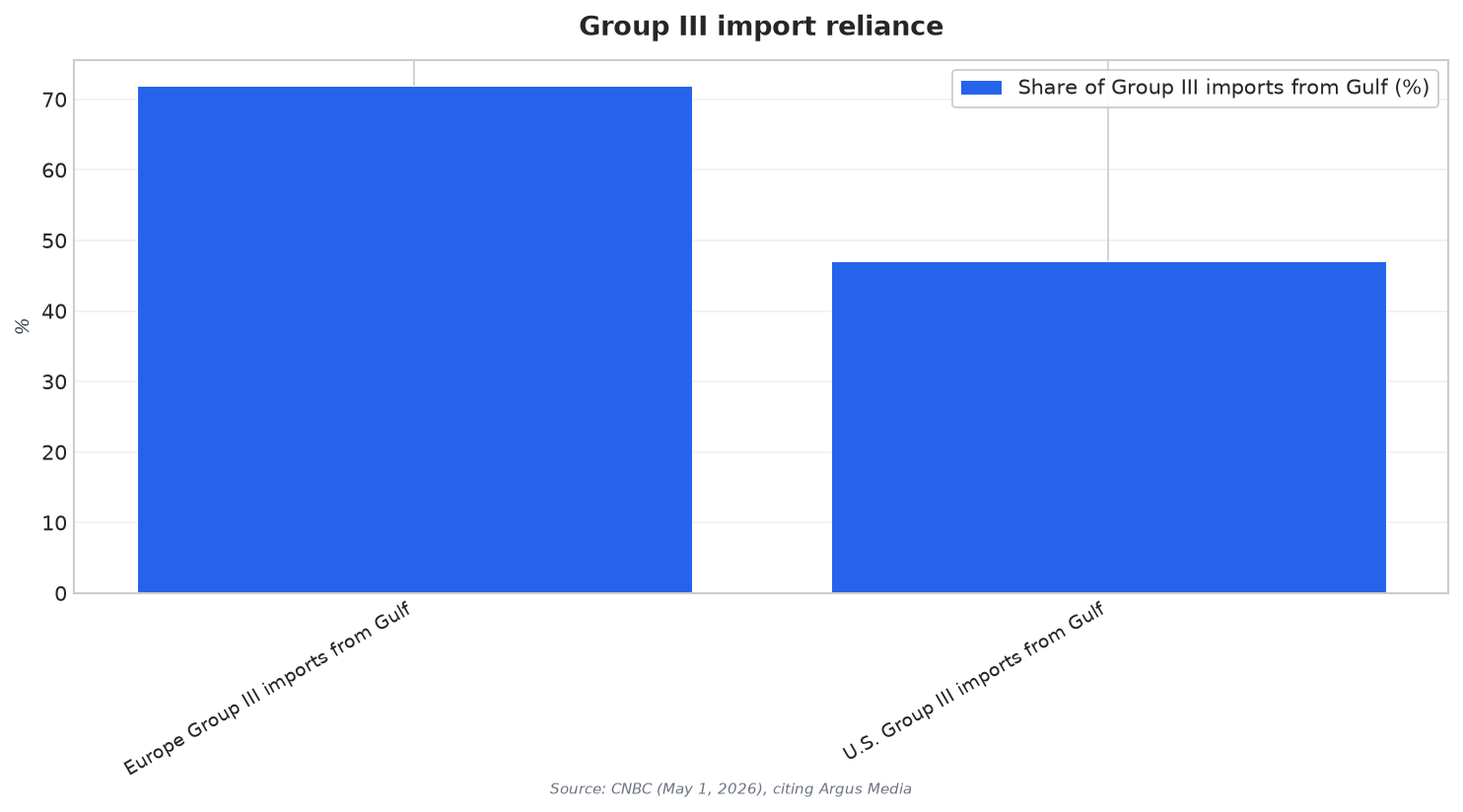
The trigger for these emergency rules sits in the scale and concentration of supply. Argus Media data cited by CNBC said the Gulf region accounts for as much as 20% of global Group III base oils capacity. The same source said the Gulf accounts for 72% of Europe’s Group III imports and 47% of the U.S. Group III imports. ILMA’s CEO also described a scenario where roughly 40% of the global Group III supply from the Persian Gulf was offline or unable to ship, alongside other constraints. While the API EPL conversation is often framed around North America, suppliers and logistics are globally connected, and disruptions propagate quickly across markets.
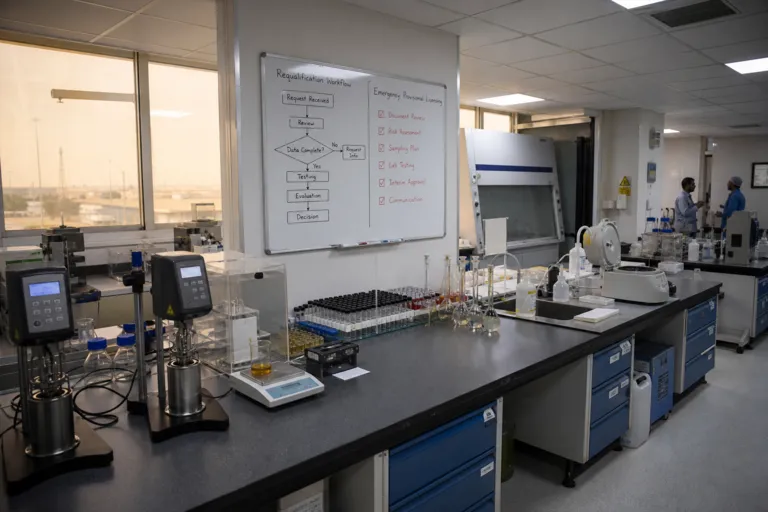
Even under EPL, the end point is defined. API 1509 says an Emergency Provisional License is intended to remain in place only until the licensee obtains alternative supplies, completes additional API requirements, or the disruption ends—whichever occurs first. API also indicated that once the provisional period expires, or once it issues written notice that supply conditions have stabilised, licensees must either return to their originally approved formulations or apply for approval of a revised formulation. For marketers navigating base oil interchangeability and API 1509 in a Middle East disruption context, the practical message is that emergency flexibility exists, but only with documentation, technical justification, and a plan to requalify.
What counts as a qualifying disruption under API 1509 Section 6.9?
How long can an Emergency Provisional License remain valid?
Does EPL let marketers substitute any base oil they can buy?
How does Gulf Group III concentration relate to base oil interchangeability under API 1509 in the Middle East?
What happens when the EPL period ends or supply stabilizes?